

From 12 to 23 May, the Cannes Film Festival once again sets the global stage for cinema. This year, the festival spotlights a powerful presence of women filmmakers from the Arab world whose works continue to shape and challenge dominant narratives. Across official selections and parallel sections, films supported by the Arab Fund for Arts and Culture (AFAC), alongside filmmakers from AFAC’s broader network, reaffirm the region’s creative force and the urgency of its stories.
In Un Certain Regard, Laila Marrakchi presents Strawberries, a film that traces the lived realities of Moroccan women working in Spain’s agricultural sector. Set against the backdrop of Andalusian greenhouses, the film exposes the fragile line between aspiration and exploitation, capturing a collective struggle for dignity and autonomy. Marrakchi’s work reflects a growing wave of cinema from the region that confronts systemic inequities while centering deeply human stories.
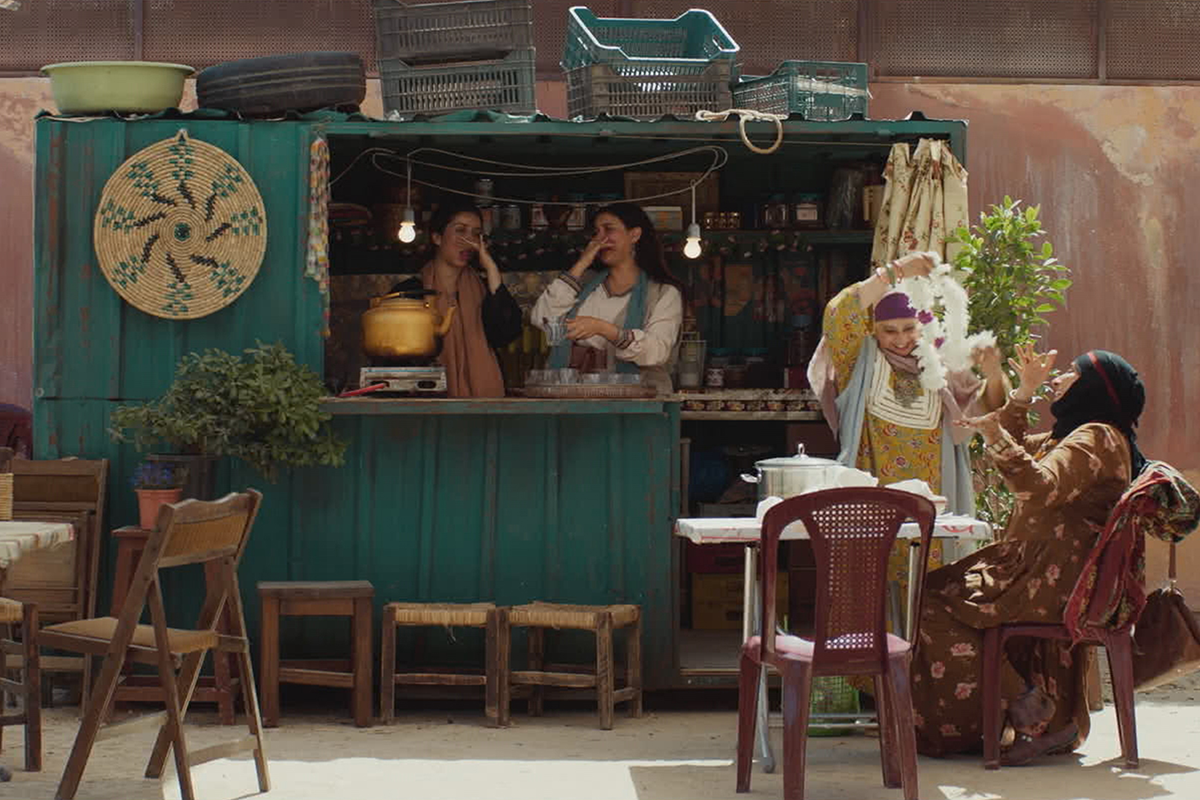
At Semaine de la Critique, two AFAC-supported films continue this exploration of women’s lived realities. In The Station, Yemeni filmmaker Sara Ishaq explores survival and resilience through the story of a woman managing a fuel station amid crisis, while navigating a tense reunion with her sister. The film captures the intimate pressures of economic instability and fractured relationships, grounded in a context rarely seen on global screens.
Meanwhile, in What Do the Maknines Dream Of, Algerian filmmaker Sarra Ryma offers a quieter, introspective narrative. Following two young Algerians over the course of a single night, the film lingers on the threshold of departure, capturing the uncertainty, longing, and quiet rupture that precede migration. Through the film’s contemplative pace, it invites audiences to sit with the internal landscapes that often remain unseen.
Beyond AFAC-supported projects, the festival will also feature new works by filmmakers from AFAC’s alumni community. Rakan Mayasi (Yesterday the Eye Didn’t Sleep), Ali Cherri (The Sentinel), and Ibrahim Omar (Nothing Happens After Your Absence) each participate with distinct cinematic voices that have evolved within the region’s cultural ecosystem. Their presence at Cannes 2026 underscores the long-term impact of sustained support, where early investment in artists contributes to continued international recognition.
AFAC’s presence at Cannes this year is the result of nearly two decades of continuous investment in filmmakers from the Arab region and the systems that sustain them. As these works reach international audiences, they carry with them the complexities of the region. At a time when conflicts and fragmentation threaten cultural production, the visibility of these films affirms something essential: stories endure, and those who tell them continue to reshape how the world sees, and understands, the Arab world.